The evolution of KYC has been driven less by courtroom battles and more by colossal regulatory fines that sent shockwaves through the financial industry. These enforcement actions serve as the “landmark cases” of the compliance world. You may receive a letter, email, or secure message from your bank years after opening an account, asking you to update your information. For most people, KYC is a routine, if sometimes annoying, part of modern financial life. Accelerate your shipping processes and improve accuracy with ABBYY’s pre-trained AI document processing models. Reuters (2024) reports that HSBC’s KYC transformation in 65 countries, affecting 38 million customers, caused delays and compliance problems due to varying regional standards.

Customer Identification and Verification
This balance ensures efficient onboarding without compromising security or regulatory standards. Audit-ready systems within the digital kyc process ensure transparency, support regulatory inspections, and provide a clear trail of compliance activities. This improves accountability and strengthens the overall kyc verification process. The next phase in the kyc onboarding process focuses on validating submitted documents to confirm authenticity. Using OCR and AI, businesses extract and verify data as part of a scalable digital kyc process.
It’s especially important for banks and related sectors like investment and trading operations, insurance, and real estate. Know Your Customer (KYC) requirements are a set of procedures that help financial institutions protect themselves from online fraud and money laundering. This is especially important in the digital banking era, where 65.3 percent of the United States population is expected to use digital banking in 2022. Customer due diligence is a key aspect of Know Your Customer requirements, and it involves verifying the customer’s identity and assessing their risk level. This can include checking their credit history and other financial information. By adopting these KYC best practices, businesses can build resilient compliance programs that protect against financial crime while enhancing operational efficiency.
What’s next in KYC?
As so much of the world is now online, customers often need to be onboarded digitally, and digital identity verification is imperative. In 2022, for example, an expected 65.3 percent of Americans will use digital banking. This will require additional forms of identity verification beyond physically inspecting documents, for instance. Often called eKYC, documents can commonly be uploaded and verified through advanced technological means, such as using OCR technology, which uses a combination of machine learning and AI technology.
Grow Your Trading Career with Propy Funds
Timing depends on the provider’s workflow, the customer’s country, the document type, and whether the case can be approved automatically. Mo leads marketing and growth at Binderr, where he’s building a global marketplace that connects businesses with trusted partners and corporate service providers. Previously, Mo contributed to the growth of leading brands such as Wise (formerly TransferWise), Revolut and Binance, driving their expansion across Europe and APAC region. With a background spanning Fintech, Blockchain, Web3 and SaaS, Mo focuses on building brands that scale globally with compliance, trust and transparency. EDD aims to uncover hidden risks, ensuring that high-risk customers do not pose a threat to the institution.
Types of KYC processes
That is why the KYC procedure responds to a legal and global imperative for any type of business that wants to onboard a user as a client. Modern KYC systems function as identity infrastructure rather than isolated verification steps. They continuously connect user identity with risk decisions across the entire lifecycle. Simple low-risk cases may be completed quickly,while complex or high-risk profiles can take longer due to additional checks and approvals. Risk assessments also allow FIs to compare a client’s financial activity to their peers.
Compliance with Regulatory Standards
Most brokers prefer original PDF statements downloaded directly from your banking portal. If you are using a bank statement to verify both your address and your payment method, be prepared to upload the document twice to satisfy both compliance categories independently. To avoid these issues during onboarding, we always submit original, unedited, high-quality photos of our documents, which consistently pass KYC checks. KYC (Know Your Customer) is a broad term brokers use for the set of onboarding and compliance checks that establish you are a real person operating your own account with your personal and financial details.
When 70 percent of financial institutions are losing clients to slow onboarding, the business case for streamlined verification is not theoretical. The goal is to design workflows in which the necessary checks happen quickly and with minimal friction. The third pillar is Ongoing Monitoring, and it is arguably where KYC programs most commonly fail. People and businesses change as they enter new markets, take on new partners, are added to sanctions lists, or begin transacting in ways inconsistent with their stated profile. Ongoing monitoring means continuously tracking customer transactions and flagging anomalies for review.
- While well-regulated brokers must adhere to strict data-protection standards, traders themselves should also adopt a proactive approach to keep their sensitive details safe.
- For traders, that can translate into a more complete experience that bridges traditional finance and modern trading infrastructure.
- EDD measures may include advanced screenings, document verification, registry checks, interviews, or site visits.
- Customers will trust in a financial institution that takes KYC seriously and in turn establishes credibility.
- Technology simplifies compliance by using AI-driven verification, machine learning, and automated risk assessment to detect fraud and strengthen security.
- Traditionally, KYC verification has relied on document-based methods, such as reviewing identity documents (passports, driving licences) and proof of address (utility bills, bank statements, etc).
Which industries are required to comply with KYC regulations?
Information collected during the due diligence process will need to be maintained by financial institutions as well. Build fast with our extensible platforms for customers, workforce, and non-human identities. Our platforms secure all types of identity from AI agents to your customers, employees, and partners. KYC requires sensitive personal data, so firms are expected to handle it carefully. From a privacy perspective, businesses should collect only the information they need for a defined purpose and keep it secure.
By implementing a CIP and using trusted sources for identity verification, institutions can ensure regulatory compliance and prevent fraudulent activities. Trust and transparency define business success, implementing KYC (Know Your Customer) compliance is more than a regulatory requirement, it’s a strategic advantage. A well-executed KYC program strengthens security, builds credibility, and ensures that businesses operate ethically. Beyond preventing financial crimes, KYC compliance fosters long-term customer relationships, operational efficiency, and a resilient reputation in an increasingly data-driven marketplace.
Prevent Financial Crime
The extensive use of new technologies and the internet makes it necessary to define standards that help fight online fraud and financial crime e.g. These layered checks create an additional security barrier and improve user confidence over time. To reduce identity theft and phishing-related takeovers, many platforms add extra verification when sensitive profile information changes.
KYC Compliance: A Comprehensive Guide
You will also need to verify the identities of the vested owners of the business with KYC verification and not just the business itself. Each of these owners will become customers of the bank or financial institution if the business is accepted as a customer. With KYC fxverge scam best practices and KYC verification, you can prevent the opening of fake accounts, validate the identities of your customers, and ensure that only the correct entities have access to your services. This reduces the risk of stolen documents, spoofing, and fake account creation.
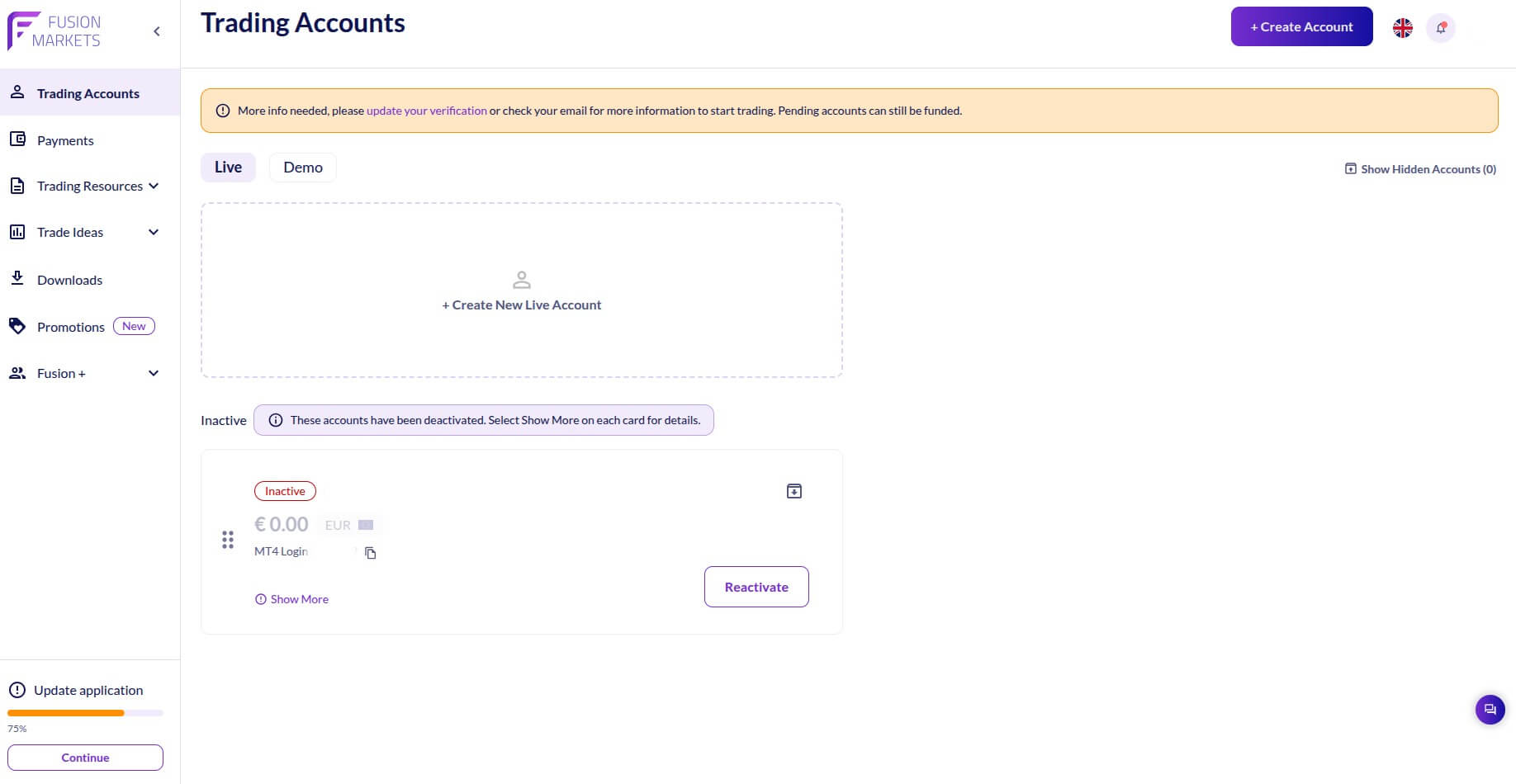
Steps to implementing a compliant KYC process
For retail brokerage accounts this typically means confirming your identity, residence, payment method, and basic account information. Businesses that verify user or customer identities as part of their compliance workflows often rely on correct address verification tools for onboarding. Businesses in the United States accept government-issued identification documents for KYC.