Exploring the historical evolution of gambling From ancient rituals to modern casinos
Origins of Gambling in Ancient Civilizations
The history of gambling dates back thousands of years, with evidence found in ancient cultures such as Mesopotamia, China, and Egypt. Archaeological findings suggest that games of chance were popular among these societies, often tied to religious rituals or community gatherings. In Mesopotamia, dice made from knucklebones were used, while ancient Chinese texts reference games that involved betting on the outcomes of various events. Additionally, today’s enthusiasts might be interested in finding the best bitcoin casino for an exciting experience.

These early forms of gambling served multiple purposes beyond entertainment; they were integrated into social structures and cultural practices. For example, in ancient Rome, gambling was a common pastime during festivals, and it played a significant role in the economy. As these civilizations flourished, gambling became a way for individuals to express their fortunes and societal status.
Gambling in the Middle Ages
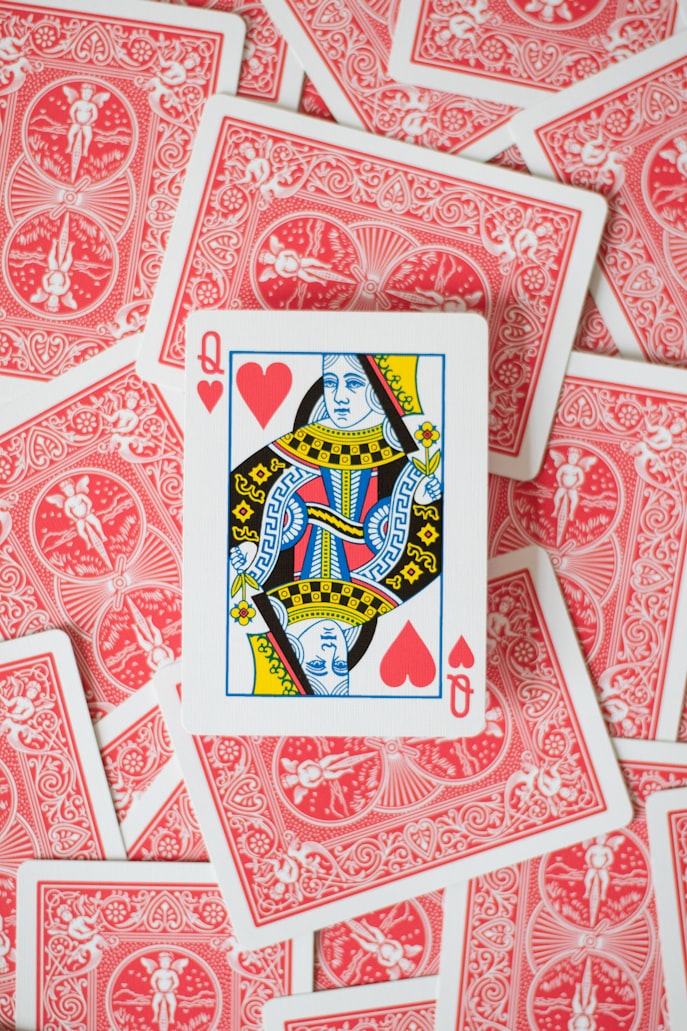
The Middle Ages saw a significant transformation in gambling practices, particularly in Europe. The introduction of card games in the 14th century marked a notable shift from traditional dice games to more complex forms of play. These card games often became associated with gambling, leading to the establishment of various gambling houses and taverns.
During this period, gambling was both embraced and condemned. While some viewed it as a source of entertainment, others considered it immoral. Regulations began to emerge, with some governments attempting to control and tax gambling activities, reflecting its growing popularity and economic impact.
The Rise of Commercial Gambling
The 17th and 18th centuries heralded a new era for gambling, particularly with the establishment of lotteries and betting on horse races. Lotteries became a popular means for governments to raise funds for public projects, while horse racing emerged as a thrilling spectacle that attracted large crowds and wagers. These developments laid the groundwork for the modern gambling industry.
As gambling gained acceptance, establishments known as casinos began to emerge in Europe. The first official casino, the Casino di Venezia, opened in Italy in the 17th century, signaling a shift towards organized gambling venues where people could partake in various games of chance under a regulated environment.
Gambling in the Modern Era
The 20th century witnessed a dramatic evolution in gambling, particularly with the legalization of various forms in many parts of the world. Las Vegas became synonymous with casinos, transforming into a global gambling hub where luxury and entertainment converge. This era also saw the introduction of online gambling platforms, revolutionizing how people engage with games of chance.
With advancements in technology, online casinos have expanded access to gambling, enabling players to wager from the comfort of their homes. The rise of mobile gambling has further enhanced this accessibility, making it easier than ever for individuals to engage with their favorite games anytime, anywhere. This ongoing evolution continues to shape the gambling landscape, catering to diverse audiences worldwide.
About Our Website
At msfdn.org, we are dedicated to providing comprehensive insights into various topics, including the historical evolution of gambling. Our goal is to enrich your understanding through expert information and engaging content. As we work to resolve current connectivity issues, we appreciate your patience and invite you to explore our resources soon.
We strive to be your go-to destination for expert articles and insights that enhance your knowledge. Whether you’re interested in the history of gambling or other topics, our commitment remains to deliver high-quality content that informs and educates.